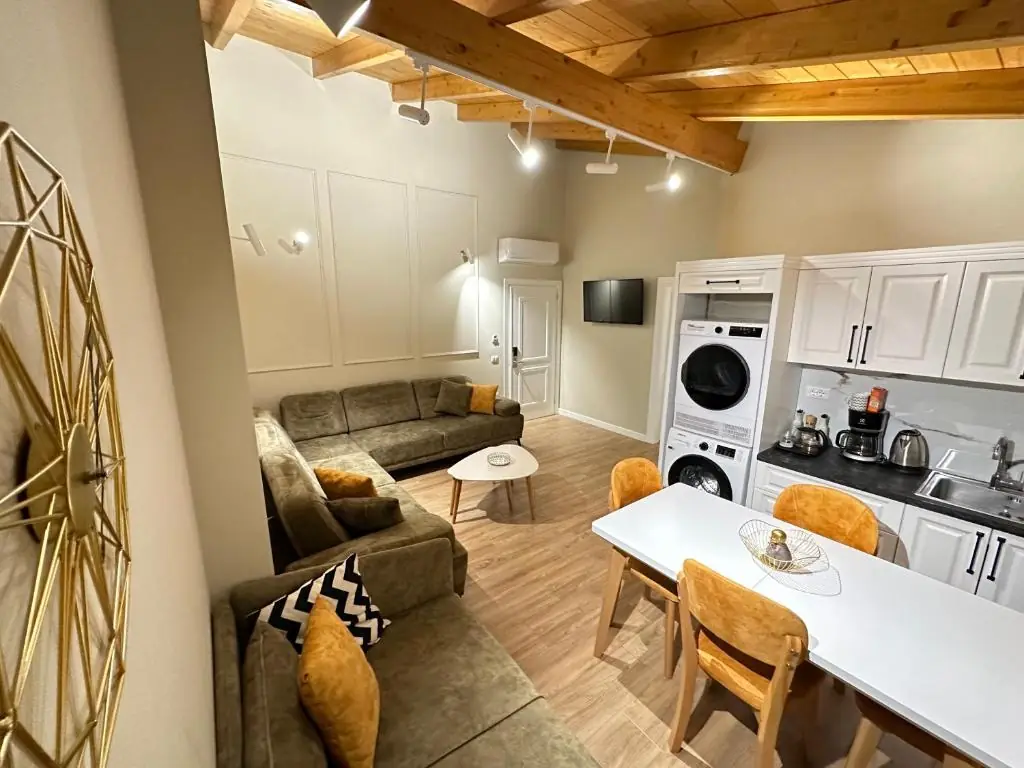
How to Manage Penthouse Suites Reservations: Expert Guide
The administrative orchestration of top-floor vertical hospitality assets demands an exacting synthesis of revenue optimization, strict privacy curation, and complex security protocols. In premier urban hotels and luxury resort properties, front-desk inventory allocation for flagship accommodations cannot rely on standard automated channels or traditional night-audit algorithms. Instead, the governance of elite inventory requires a specialized framework that balances high-yield short-term bookings with diplomatic lease obligations and physical access controls. Asset directors, revenue managers, and hospitality executives must look beyond basic occupancy metrics to understand how vertical asset distribution impacts long-term brand equity, profitability, and operational stability.
Executing successful high-altitude reservations involves anticipating friction between rigid corporate procurement policies and the fluid demands of ultra-high-net-worth guests. Modern VIP travelers, international delegations, and entertainment conglomerates expect accommodation workflows that integrate private elevator bypasses, customized butler allocations, and encrypted communication channels. Consequently, establishing robust administrative procedures for high-tier vertical assets requires comprehensive legal literacy, advanced property management system configurations, and a deep appreciation of how physical security protocols alter guest arrival workflows. This analysis provides an exhaustive examination of the structural, economic, and operational realities defining elite vertical reservations across contemporary global destinations.
Luxury vertical hospitality operates under severe economic and physical constraints that differentiate it from standard hotel room inventory. Extreme daily rate variances, specialized butler-staffing allocations, and complex contractual cancellation penalties demand ongoing coordination between revenue controllers and executive management. Concurrently, operational teams must balance high-yield short-term celebrity rentals with long-term diplomatic or corporate lease agreements. Understanding these operational realities shifts the analytical perspective from superficial reservation software tracking to rigorous inventory stewardship, ensuring long-term asset profitability and absolute guest satisfaction.
Understanding “how to manage penthouse suites reservations”

The phrase how to manage penthouse suites reservations is frequently commercialized across digital distribution networks as a basic administrative checklist focused on online travel agency synchronization and standard room-block assignments. In professional hospitality management, revenue architecture, and high-end asset curation, however, mastering how to manage penthouse suites reservations demands a rigorous, multi-variable evaluative framework. Specifically, revenue directors must examine unlisted inventory allocations, non-standard contractual indemnities, security vetting protocols, and multi-property corporate block agreements. A primary error among hospitality operators involves assuming that top-floor inventory should follow standard dynamic pricing algorithms, ignoring how specialized security requirements and private lift access restrict rapid inventory turnover.
A critical risk when executing strategies for how to manage penthouse suites reservations involves underestimating the friction between rigid corporate procurement policies and high-end luxury cancellation terms. Unlike standard hotel room bookings characterized by flexible 24-hour cancellation windows, premier penthouse reservations require months of advance financial commitments, non-refundable security deposits, and exhaustive background vetting of visiting delegations. Therefore, developing effective protocols for how to manage penthouse suites reservations requires comprehensive legal literacy, an understanding of international diplomatic protocol, and an appreciation of how high-altitude physical security alters guest arrival workflows. Ultimately, true operational mastery rests in recognizing that sustainable top-floor revenue performance depends on bespoke contractual structuring and strict asset protection rather than algorithmic volume sales.
Deep Contextual Background
The evolution of top-floor vertical reservation management reflects profound shifts in global wealth distribution, corporate security demands, and luxury hospitality branding. During the early twentieth century, grand urban hotels introduced rooftop suites primarily as architectural showpieces for visiting heads of state, silent-film moguls, and industrial magnates. These early bookings were managed manually through direct ledger correspondence between hotel general managers and personal secretaries, bypassing traditional front-desk operations entirely. Reservation protocols during this era prioritized absolute physical security, custom culinary staging, and multi-week exclusive occupancy terms.
Subsequent decades witnessed the widespread transformation of luxury distribution driven by computer reservation systems, global airline partnerships, and the rise of ultra-high-net-worth tourism. The introduction of centralized property management platforms allowed hotels to track high-value guest preferences across international portfolios. However, the late twentieth and early twenty-first centuries introduced complex operational changes, including heightened anti-terrorism security mandates, digital privacy protection laws, and the demand for encrypted communication channels during booking negotiations. Today, structuring protocols for how to manage penthouse suites reservations requires navigating this mature distribution landscape, where properties must adapt to shifting geopolitical realities, strict data privacy codes, and highly sophisticated lifestyle expectations.
Conceptual Frameworks and Mental Models
Assessing the revenue yield, operational risk, and distribution efficiency of premier penthouse reservation strategies requires rigorous analytical mental models:
-
The Inventory Exclusivity and Yield Index: Evaluates the economic trade-off between holding unlisted penthouse inventory for last-minute ultra-high-yield diplomatic bookings versus securing early corporate block contracts.
-
The Vetting Latency and Conversion Ratio: Measures the operational friction and time delay introduced by mandatory background checks, security clearances, and legal contract negotiations.
-
The Ancillary Service Margin Coefficient: Quantifies the profitability derived from bundled private aviation transfers, in-suite security details, and custom Michelin-grade culinary staffing.
-
The Multi-Property Block Allocation Matrix: Assesses how primary penthouse reservations control access to adjacent standard interconnecting rooms for security details and personal staff.
Key Categories or Variations
| Reservation Management Category | Primary Operational Advantage | Contractual and Financial Trade-off |
| Direct Diplomatic Master Leases | Guaranteed long-term occupancy, pre-vetted security clearances, and stable baseline revenue | Fixed discounted rates, restricted hotel flexibility during sudden high-demand events, and complex diplomatic immunity hurdles |
| Bespoke Ultra-High-Net-Worth Concierge Packages | Massive nightly rate realization, high ancillary spend on private dining, and custom staff allocation | High acquisition cost, unpredictable booking windows, and extensive custom preparation lead times |
| Corporate Executive Boardroom Blocks | Multi-room interconnecting inventory control, secure communication setups, and reliable corporate billing | Rigid procurement policies, lengthy contract review cycles, and strict confidentiality indemnities |
| Entertainment Industry Production Holds | Extended multi-week occupancy during film shoots, privacy from public media, and premium buyouts | Substantial wear and tear on interior finishes, complex crew staging logistics, and specialized equipment staging |
| Unlisted Direct-Negotiation Inventory | Absolute pricing discretion, tailored cancellation policies, and complete avoidance of OTA commissions | Zero public visibility, high reliance on personal sales relationships, and manual contract generation |
| Seasonal Multi-Month Resort Residencies | Guaranteed cash flow during peak seasonal shifts and reduced housekeeping turnover frequency | Lower effective daily rates due to extended stay discounts and localized property tax implications |
When applying decision logic to these categories, revenue directors must align target guest profiles with physical and operational constraints. Hospitality brands catering to international diplomatic delegations extract high financial stability from master lease agreements that secure baseline occupancy across extended quarters. Conversely, luxury urban hotels targeting entertainment executives lean heavily toward flexible production holds that maximize short-term ancillary revenue despite higher interior wear.
Detailed Real-World Scenarios
Managing High-Security Diplomatic Delegations During Unforeseen Geopolitical Crises
A premier urban penthouse suite is booked under an emergency executive protocol for a visiting head of state, but local security agencies demand total floor isolation and restricted service elevator access.
-
Constraint: Strict municipal fire safety codes prohibit locking primary emergency exit stairwells, and regular hotel guests require access to lower-level amenities.
-
Failure Mode: Implementing ad-hoc security measures without coordinating with hotel operations leads to guest complaints, blocked evacuation routes, and severe regulatory fines.
-
Decision Point: Establish a secure perimeter at the private elevator bank, dedicate a secondary service lift exclusively for delegation staff, and route all public traffic around the dedicated security checkpoint.
Handling Sudden Cancellation of Multi-Week Ultra-High-Net-Worth Reservations
A celebrity guest cancels a two-month penthouse reservation three days prior to arrival during peak festival season, threatening significant revenue loss.
-
Constraint: The non-refundable deposit covers only a fraction of the projected multi-week rate, and the inventory was blocked from standard dynamic pricing algorithms.
-
Failure Mode: Panicking and discounting the inventory publicly damages the ultra-luxury positioning of the property and attracts undesirable booking profiles.
-
Decision Point: Activate private client database outreach via dedicated luxury hosts, offer the space as an exclusive private dining and green-room compound for festival sponsors, and maintain baseline rate integrity.
Planning, Cost, and Resource Dynamics
Executing the reservation management and concierge deployment for elite penthouse suites requires navigating extraordinary operational variables. Specialized security vetting platforms, customized in-suite furnishing staging, 24-hour butler staffing rosters, and private aviation coordination represent significant overhead outlays. Furthermore, balancing high-touch personalized service with strict labor cost controls demands sophisticated management oversight.
| Economic Variable | Financial Variability | Strategic Impact on Property Management |
| Third-Party Security Vetting Services | Moderate Upfront | Utilizing certified intelligence firms ensures absolute safety while minimizing liability exposure |
| Custom In-Suite Culinary Staging | High Variable | Maintaining specialized pantry equipment prevents kitchen bottlenecking during private banquets |
| Dedicated Personal Butler Rosters | Fixed to High | Allocating dedicated staff prevents service degradation across simultaneous high-end events |
| High-Speed Encrypted Communications | Specialized Setup | Installing secure internet routing guarantees confidentiality for corporate executives and diplomats |
Tools, Strategies, and Support Systems
-
Enterprise Property Management Systems (PMS): Advanced software configurations used by revenue directors to manage unlisted inventory hidden from standard booking engines.
-
Encrypted Client Relationship Management (CRM) Platforms: Secure databases storing detailed guest preferences, security protocols, and historical stay patterns.
-
Automated Yield Management and Pricing Engines: Algorithmic tools adjusted manually to prevent premature discounting of high-altitude inventory during peak seasonal demand.
-
Secure Payment and Escrow Processing Gateways: Financial platforms handling multi-million-dollar wire transfers, security deposits, and multi-currency transactions.
-
Integrated Concierge and Task-Routing Software: Digital coordination systems tracking real-time butler requests, housekeeping schedules, and security checkpoints.
Risk Landscape and Failure Modes
The primary hazard inherent in managing premier penthouse reservations is operational data leakage and breach of guest confidentiality. When reservation staff fail to enforce strict compartmentalization of guest identity records, leaks to media outlets or unauthorized corporate entities can destroy the property’s reputation for discretion, resulting in immediate contract cancellations by high-profile clients. Furthermore, failing to secure enforceable financial indemnities against property damage exposes the asset to unmitigated financial loss during large-scale private gatherings.
An internal operational failure mode involves service synchronization bottlenecks. Penthouses that accept complex multi-room bookings without scaling back-of-house kitchen and housekeeping support experience severe service delays. Unprepared management discovers that high-tier guests accustomed to instantaneous personalized service will not tolerate operational lag during peak operational hours.
Governance, Maintenance, and Long-Term Adaptation
Maintaining optimal booking governance and operational standards across multi-year inventory lifecycles requires a disciplined, iterative administrative methodology. Revenue committees must conduct monthly audits evaluating booking conversion efficiency, cancellation loss metrics, and security vetting latency. If data indicates that vetting procedures are delaying high-speed booking confirmations, management must immediately streamline communication channels with certified security partners.
Additionally, revenue directors must transition from reactive rate-setting to proactive client relationship stewardship. This shift involves partnering with private wealth managers, family offices, and elite concierge agencies to secure forward-looking bookings years in advance. This proactive governance approach ensures long-term revenue stability and protects the elite market positioning of the property.
Measurement, Tracking, and Evaluation
-
Penthouse Revenue Per Available Room (RevPAR): Quantifies the financial yield generated specifically by top-floor inventory against total available capacity.
-
Vetting-to-Booking Conversion Percentage: Measures the ratio of completed luxury reservations to initial inbound inquiries processed through security screening.
-
Ancillary Spend per Occupied Night: Evaluates the additional revenue generated through private dining, spa services, and security logistics.
-
Guest Retention and Repeat Booking Index: Tracks the frequency with which elite clients and corporate accounts return for subsequent multi-night stays.
Common Misconceptions and Oversimplifications
-
Myth: Penthouse suites can be booked instantly through standard online travel agency portals without prior communication. Reality: True premier penthouses require manual reservation review, security vetting, and direct contact with luxury sales directors.
-
Myth: Dynamic pricing algorithms should automatically adjust penthouse rates based on daily occupancy fluctuations. Reality: Elite high-altitude inventory relies on stable, high-value rate baselines and unlisted pricing structures to protect brand prestige.
-
Myth: Security requirements for penthouse guests are identical to standard hotel check-in procedures. Reality: Visiting delegations and ultra-high-net-worth individuals necessitate private entrances, background checks, and restricted elevator access.
-
Myth: Cancellations for penthouse suites carry standard 24-hour penalty-free refund policies. Reality: Due to specialized preparation and revenue displacement, penthouse contracts demand strict non-refundable deposits and long-lead cancellation terms.
-
Myth: Standard housekeeping and room service staff can service penthouse suites without specialized training. Reality: Penthouses require dedicated butler teams trained in protocol, discrete service delivery, and high-end asset care.
-
Myth: Corporate block bookings for penthouses operate under the same terms as standard conference room blocks. Reality: Penthouse corporate blocks involve complex confidentiality agreements and customized liability indemnification clauses.
Ethical, Practical, or Contextual Considerations
The administration and reservation management of ultra-luxury penthouse suites also intersects heavily with local housing market pressures, privacy zoning regulations, and neighborhood security impacts. Because high-end hotel complexes frequently operate within dense urban cores, heavy motorcades, private security details, and paparazzi presence can disrupt surrounding residential neighborhoods. Progressive hospitality operators invest heavily in discreet subterranean arrival bays, sound-attenuated vehicle staging, and community relations liaison programs. Balancing exclusive guest privacy with responsible neighborhood integration ensures long-term operational harmony and civic compliance.
Conclusion
Mastering the complexities of contemporary penthouse suites booking plans requires an uncompromising synthesis of revenue management, rigorous security protocol, and personalized hospitality curation. True authority in this domain involves looking past standard algorithmic reservation software to evaluate inventory exclusivity, contractual indemnification, and long-term client stewardship. By approaching vertical asset distribution with professional rigor and intellectual honesty, stakeholders ensure that these elite environments deliver enduring financial stability, absolute operational discretion, and profound guest satisfaction.