How to Avoid Penthouse Suites Risks: Expert Security & Safety Guide
Occupying high-altitude architectural flagships involves navigating a dense web of structural vulnerabilities, privacy exposures, and contractual liabilities. Luxury travelers, corporate executives, and asset managers frequently underestimate the hidden hazards associated with top-floor vertical accommodations. Consequently, mastering how to avoid penthouse suites risks requires examining acoustic sound transfer, structural wind loading, lift isolation failures, and non-standard indemnification clauses. Evaluators must look past glossy promotional renderings to address the physical and operational realities of elite vertical real estate.
Achieving secure occupancy reductions in exposure involves navigating friction between rigid hotel management policies and high-end guest security expectations. Modern hospitality operators protect headline property assets through complex liability waivers that shift financial accountability directly onto the occupant. Therefore, understanding how to avoid penthouse suites risks demands a sophisticated grasp of legal pre-screening, structural engineering audits, unlisted inventory vetting, and emergency evacuation protocols. This analysis explores the operational realities and tactical methodologies required to mitigate high-end vertical lodging hazards safely.
Top-floor luxury accommodations operate under severe physical stressors that stem from elevated wind shears, roof-drainage mechanics, and shared vertical circulation cores. Extreme daily rate variances and mandatory security allocations dictate that standard lodging precautions fail when applied to elite top-floor inventory. Shifting the analytical perspective from reactive complaint filing to proactive risk mitigation ensures long-term experiential security without compromising privacy or comfort.
Understanding “how to avoid penthouse suites risks”
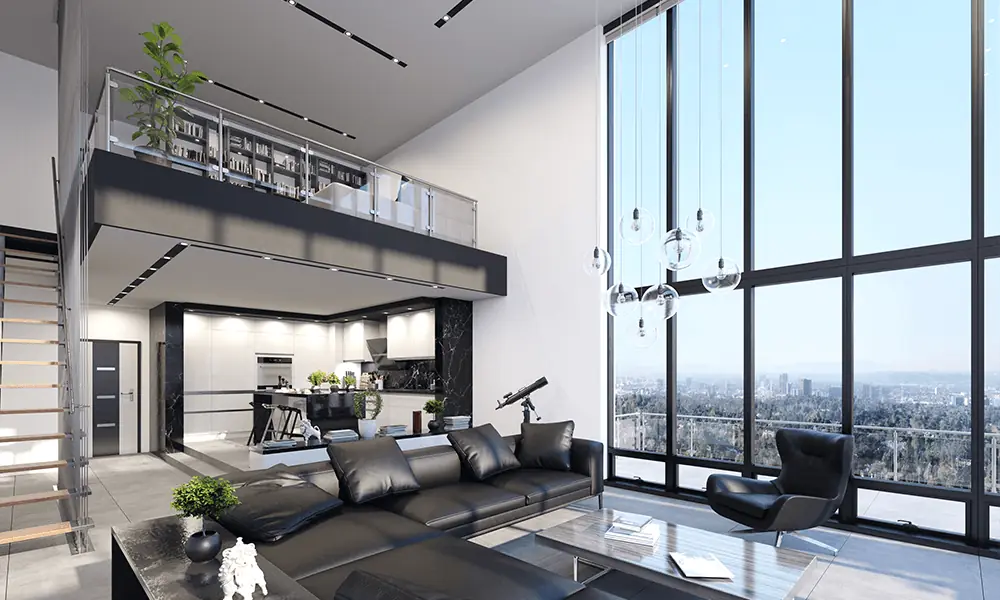
The phrase how to avoid penthouse suites risks is frequently commercialized across digital consumer travel networks as a basic safety checklist focused on door locks and simple room security tips. In professional risk management and corporate asset curation, however, mastering how to avoid penthouse suites risks demands a rigorous, multi-variable structural evaluation. Specifically, corporate travel directors and private security details must examine unlisted elevator bypasses, structural acoustic dampening, and rigorous legal indemnity clauses. A primary error among leisure travelers involves assuming that top-floor inventory functions with the same safety and operational predictability as standard hotel rooms.
A critical risk when executing strategies for how to avoid penthouse suites risks involves underestimating the friction between ambitious architectural design and mandatory life-safety compliance. Unlike standard hotel rooms protected by interior corridors, premier penthouse suites often feature expansive glass curtain walls and private outdoor terraces exposed to high-altitude weather anomalies. Therefore, developing effective protocols for how to avoid penthouse suites risks requires comprehensive structural engineering awareness, legal contract scrutiny, and an appreciation of how mechanical penthouse machinery alters ambient sound levels. Ultimately, true operational mastery rests in recognizing that sustainable risk mitigation depends on exhaustive pre-arrival vetting and architectural auditing rather than superficial safety assumptions.
Deep Contextual Background
The evolution of risk management for top-floor vertical hospitality reflects profound shifts in global security demands, high-rise architectural engineering, and luxury travel patterns. During the early twentieth century, grand urban hotels introduced rooftop suites primarily as exclusive, isolated retreats for visiting dignitaries and high-society figures. These early spaces were managed manually through direct ledger correspondence and private staff details, minimizing exposure to general hotel traffic and public disturbances.
Subsequent decades witnessed the widespread transformation of luxury distribution driven by steel-frame construction, glass curtain walls, and centralized property management systems. The introduction of high-speed elevator shafts and complex HVAC rooftop chillers allowed hotels to maximize top-floor square footage. However, the late twentieth and early twenty-first centuries introduced complex risk factors, including heightened security threats, digital privacy vulnerabilities, and strict municipal life-safety codes. Today, structuring protocols for how to avoid penthouse suites risks requires navigating this mature structural landscape, where properties must balance architectural grandeur with uncompromising physical and legal protection.
Conceptual Frameworks and Mental Models
Assessing the hazard profile and operational vulnerabilities of premier penthouse reservations requires rigorous analytical mental models:
-
The Vertical Intrusion and Sightline Index: Evaluates the exposure of private outdoor terraces to adjacent high-rise structures and unshielded public view corridors.
-
The Acoustic Decoupling and Vibration Ratio: Measures the structural transmission of low-frequency hums from central rooftop chiller plants into master sleeping quarters.
-
The Life-Safety Evacuation Latency Coefficient: Quantifies the time required to evacuate top-floor suites during municipal emergencies without relying on standard elevators.
-
The Contractual Indemnity Multiplier: Assesses the financial exposure created by strict property damage clauses embedded in high-tier lease agreements.
Key Categories or Variations
| Risk Mitigation Category | Primary Operational Advantage | Contractual and Financial Trade-off |
| Acoustic Engineering Audits | Identifies low-frequency chiller noise before financial commitment | Requires specialized acoustic consulting fees and engineering reports |
| Private Lift Security Vetting | Restricts elevator access exclusively to pre-vetted guests and staff | High administrative coordination with hotel security directors |
| Structural Wind and Terrace Screening | Prevents high-altitude weather damage and ensures safe outdoor use | Aesthetic modifications and potential restrictions on panoramic sightlines |
| Comprehensive Legal Indemnity Review | Protects against unfair property damage liability claims | Extended contract negotiation timelines with hotel legal counsel |
| Emergency Egress Path Verification | Guarantees compliance with municipal fire and safety codes | Requires physical inspection of secondary stairwell access points |
| Digital Privacy and Counter-Surveillance | Secures communications and prevents media data leakage | High implementation costs for encrypted in-suite router setups |
When applying decision logic to these categories, travel planners and risk officers must align threat profiles with physical constraints. Organizations coordinating high-profile executive retreats extract high safety value from comprehensive legal indemnity reviews and private lift security vetting. Conversely, individual travelers prioritizing peace and quiet lean heavily toward acoustic engineering audits to screen out mechanical plantroom interference.
Detailed Real-World Scenarios
Mitigating Acoustic Vibration Transfer from Rooftop Chillers
A corporate executive books a premier penthouse suite for an extended multi-week stay, but a persistent low-frequency vibration from the central air-handling unit prevents restful sleep.
-
Constraint: The building’s central mechanical plant cannot be powered down or modified without disrupting cooling for the entire luxury tower.
-
Failure Mode: Attempting to mask the vibration with ambient noise machines fails to resolve structural resonance, resulting in severe sleep deprivation and executive fatigue.
-
Decision Point: Mandate pre-arrival acoustic resonance testing and select top-floor suites physically isolated from central machinery rooms by intermediate technical floors.
Managing High-Altitude Weather Hazards on Cantilevered Terraces
A high-net-worth traveler hosts an evening gathering on an expansive cantilevered penthouse terrace during an unpredicted high-wind squall.
-
Constraint: The exposed architectural terrace lacks automated wind sensors and retractable glass shielding.
-
Failure Mode: High-velocity wind shear damages unsecured outdoor furniture and creates unsafe conditions for guests, resulting in potential liability exposure.
-
Decision Point: Implement mandatory weather-monitoring protocols, ensure terraces feature motorized wind-breaking louvers, and restrict outdoor access during severe meteorological alerts.
Planning, Cost, and Resource Dynamics
Executing effective hazard mitigation for elite penthouse suites requires navigating extraordinary financial and administrative variables. Specialized engineering consultants, legal contract reviews, and private security retainers represent significant upfront outlays. Furthermore, balancing thorough risk prevention with seamless luxury hospitality delivery demands sophisticated planning oversight.
| Economic Variable | Financial Variability | Strategic Impact on Risk Management |
| Architectural Acoustic Audits | Moderate Upfront | Utilizing certified acoustic engineers eliminates hidden noise liabilities |
| Legal Indemnity Contract Reviews | High Variable | Engaging specialized hospitality counsel protects against unfair damage claims |
| Private Security Vetting Services | Fixed Retainer | Deploying trusted intelligence teams ensures absolute perimeter control |
| High-Altitude Safety Inspections | Specialized Outlay | Verifying structural glass and balcony integrity prevents catastrophic failures |
Tools, Strategies, and Support Systems
-
Architectural Blueprint and Risers Analyzers: Technical documents used to evaluate the spatial relationship between penthouse suites and mechanical plantrooms.
-
Certified Acoustic Decibel Meters: Precision instruments used during pre-arrival walkthroughs to measure ambient interior noise floors.
-
Encrypted Communication and VPN Routers: Secure hardware installed temporarily to protect corporate executive data from digital interception.
-
Specialized Hospitality Legal Counsel: Legal experts retained to review non-standard liability waivers and property damage clauses.
-
Meteorological High-Altitude Tracking Platforms: Advanced forecasting apps monitoring wind shear and barometric pressure shifts for rooftop terraces.
Risk Landscape and Failure Modes
The primary hazard inherent in occupying premier penthouse suites without proper preparation is unmitigated legal and physical exposure. When guests fail to review complex property damage liability clauses, minor accidents involving luxury finishes can trigger massive financial penalties. Furthermore, failing to verify emergency egress routes can leave occupants trapped or disoriented during sudden building evacuations.
An internal operational failure mode involves security compromise through shared vertical transit cores. Penthouses that rely on hotel elevators without reprogramming secure keycard bypasses allow unauthorized maintenance personnel or unvetted individuals to access private foyer spaces. Unprepared occupants discover that high-altitude seclusion is easily compromised by lax vertical access controls.
Governance, Maintenance, and Long-Term Adaptation
Maintaining optimal safety governance across high-altitude travel programs requires a disciplined administrative methodology. Risk management committees must conduct quarterly audits evaluating incident reports, security vetting lead times, and structural maintenance records. If data indicates that hotel properties frequently experience elevator access lapses, travel directors must immediately blacklist non-compliant venues.
Additionally, risk officers must transition from reactive incident response to proactive vulnerability stewardship. This shift involves partnering with specialized luxury security agencies and maintaining an updated safety checklist for every property in the portfolio. This proactive governance approach ensures long-term traveler safety and protects organizational assets.
Measurement, Tracking, and Evaluation
-
Pre-Arrival Vetting Completion Rate: Measures the percentage of booked penthouse suites that undergo formal acoustic and security screening.
-
Incident and Hazard Frequency Index: Tracks the occurrence of noise complaints, security breaches, or safety anomalies during elite stays.
-
Contractual Indemnity Risk Score: Quantifies the financial exposure identified during legal reviews of property damage waivers.
-
Emergency Egress Compliance Percentage: Evaluates whether verified top-floor suites meet strict municipal fire and life-safety standards.
Common Misconceptions and Oversimplifications
-
Myth: Being on the top floor of a luxury hotel automatically guarantees absolute physical and digital security. Reality: Penthouses often face unique access vulnerabilities through shared service elevators and unshielded outdoor sightlines.
-
Myth: Standard hotel room locks and peepholes provide sufficient security for high-profile penthouse guests. Reality: Elite vertical suites require programmed keycard elevator bypasses and dedicated private security details.
-
Myth: Acoustic noise from rooftop mechanical equipment is easily muffled by heavy curtains. Reality: Low-frequency structural vibrations require professional engineering isolation and cannot be blocked by interior decor.
-
Myth: Booking a luxury penthouse exempts the occupant from strict property damage liability clauses. Reality: High-tier contracts frequently contain stringent indemnification terms holding guests financially accountable for bespoke finishes.
-
Myth: High-altitude weather conditions have no impact on the structural safety of penthouse balconies. Reality: Strong wind shears and pressure drops require specialized architectural glass barriers and active wind monitoring.
-
Myth: Emergency fire evacuation procedures for penthouses are identical to lower-floor hotel rooms. Reality: Top-floor evacuation requires specialized knowledge of secondary stairwells and vertical descent logistics.
Ethical, Practical, or Contextual Considerations
The practical execution of risk mitigation for ultra-luxury penthouse suites also intersects heavily with local municipal safety codes, structural engineering ethics, and privacy regulations. When hotels construct massive rooftop penthouses without adequate acoustic or structural decoupling, neighboring residential districts often suffer from environmental noise pollution and privacy loss. Progressive corporate buyers prioritize properties that invest in green building standards, certified acoustic insulation, and transparent safety compliance. Balancing personal protection with responsible architectural integration ensures long-term operational harmony and civic compliance.
Conclusion
Mastering the complexities of how to avoid penthouse suites risks requires an uncompromising synthesis of architectural auditing, legal scrutiny, and rigorous security protocol. True authority in this domain involves looking past promotional marketing images to evaluate acoustic resonance, lift isolation, and contractual indemnification. By approaching vertical asset occupancy with professional rigor and intellectual honesty, stakeholders ensure that elite high-altitude environments deliver absolute safety, operational discretion, and profound peace of mind.