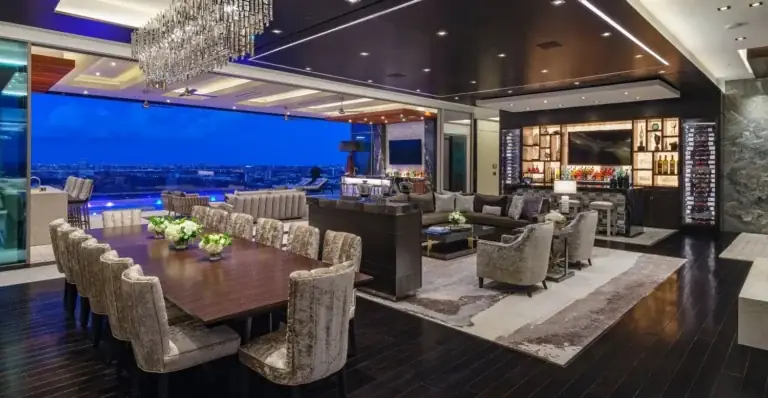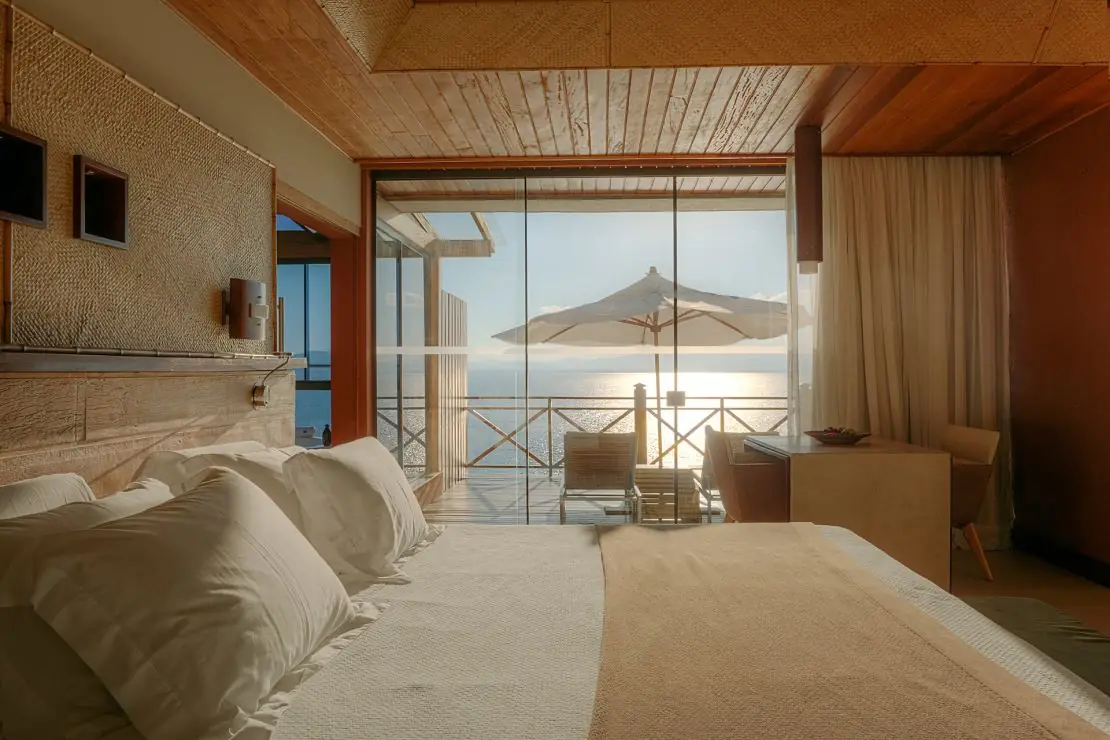
Best Penthouse Suites for Honeymoons: Ultimate Architectural Guide
Selecting premier high-altitude accommodations for post-wedding celebrations demands an intricate understanding of hospitality logistics, architectural physics, and privacy zoning. Discerning couples, wedding planners, and luxury travel curators no longer evaluate top-floor accommodations through basic promotional photographs or superficial room rates. Instead, an elaborate matrix of acoustic isolation, private vertical circulation cores, microclimate exposure, and personalized butler provisioning dictates the true quality of high-altitude honeymoon environments. Navigating this specialized sector requires a rigorous examination of how structural engineering, discrete arrival routing, and unlisted inventory tiers shape the romantic viability of elite properties. Evaluating these assets successfully requires balancing maximum panoramic visibility with structural integrity, complete discretion, and long-term experiential value.
Developing, managing, or choosing premier multi-story vertical assets for celebratory travel demands deep insight into load transfer mechanisms, private core integration, and shifting guest expectations. Modern couples expect architectural environments that seamlessly merge expansive glass curtain walls, absolute acoustic privacy, and private outdoor sky-gardens without compromising structural stability or safety. Consequently, analyzing the layout configurations and service frameworks that support these complex requirements provides essential clarity for high-end trip planning and property curation. This analysis provides an exhaustive examination of the structural, economic, and operational realities defining elite vertical properties across contemporary global destinations.
Luxury vertical hospitality operates under severe physical and operational constraints that differentiate it from standard resort bungalows or beachfront villas. Extreme wind loads at elevated altitudes, complex roof-drainage mechanics, and specialized structural framing demand ongoing operational care directed toward guest comfort and acoustic performance. Concurrently, hospitality teams must balance expansive open-plan layouts with the protection of private core enclosures and dedicated service corridors. Understanding these physical realities shifts the analytical perspective from superficial romance to rigorous evaluation, ensuring absolute privacy, safety, and seamless hospitality delivery.
Understanding “best penthouse suites for honeymoons”
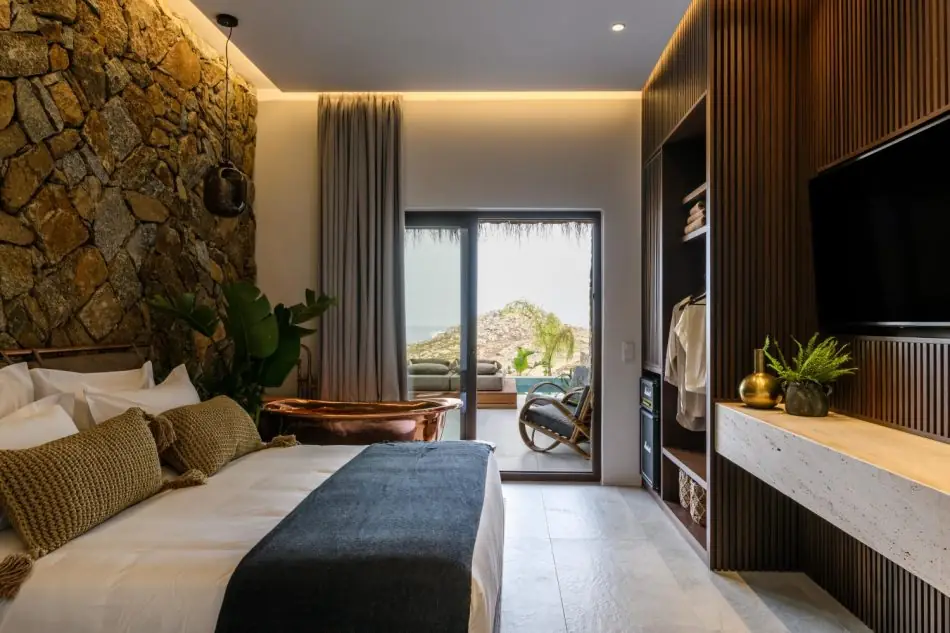
The phrase best penthouse suites for honeymoons is frequently commercialized across digital travel portals as a generic marketing tag focused on superficial romance tropes, rose petals, and promotional champagne packages. In professional hospitality curation and high-end travel architecture, however, mastering how to evaluate the best penthouse suites for honeymoons demands a rigorous, multi-variable evaluative framework. Specifically, planners must examine core-to-shell structural layout isolation, dedicated private elevator shaft routing, mechanical penthouse noise transfer, and privacy ordinances protecting sightlines from adjacent buildings. A primary error among couples involves assuming that any top-floor suite functions as an intimate sanctuary, ignoring how structural columns and public elevator banks compromise acoustic and visual privacy.
A critical risk when undertaking an effort to identify and secure the best penthouse suites for honeymoons involves underestimating the friction between ambitious architectural design and operational seclusion. Unlike horizontal resort villas designed for isolated ground-level privacy, premier penthouse residences often share vertical structural cores with bustling hotel operations or multi-family residential towers. Therefore, learning how to properly assess the best penthouse suites for honeymoons requires comprehensive structural engineering awareness, an understanding of private subterranean arrival logistics, and an appreciation of how high-altitude weather patterns alter outdoor terrace utility. Ultimately, true analytical mastery rests in recognizing that an exceptional honeymoon penthouse depends on systemic acoustic decoupling, private vertical transport, and spatial balance rather than mere decorative luxury.
Deep Contextual Background
The evolution of top-floor vertical hospitality and celebratory travel accommodations reflects profound shifts in global wealth distribution, elevator mechanics, and luxury hotel architecture. During the early twentieth century, grand urban hotels introduced rooftop suites as exclusive sanctuaries for elite travelers, industrialists, and honeymooning aristocracy. These early spaces were accessed via dedicated service lifts and operated as private retreats detached from standard floor traffic. Hospitality protocols during this era prioritized discreet check-in procedures, custom culinary staging, and uninterrupted panoramic views of transforming metropolitan skylines.
Subsequent decades witnessed the widespread transformation of penthouse hospitality driven by curtain-wall engineering, global tourism expansion, and luxury hotel branding. The introduction of structural steel outriggers and concrete core construction allowed architects to design expansive, column-free interior floor plates with 360-degree panoramas tailored for high-end celebrations. However, the late twenty-first-century travel landscape introduced heightened security mandates, digital privacy expectations, and the demand for bespoke, unlisted reservation tiers. Today, identifying the best penthouse suites for honeymoons requires navigating this mature vertical landscape, where properties must adapt to strict acoustic codes, paparazzi protection measures, and sophisticated lifestyle expectations.
Conceptual Frameworks and Mental Models
Assessing the structural integrity, romantic utility, and spatial efficiency of premier penthouse accommodations requires rigorous analytical mental models:
-
The Core-to-Perimeter Acoustic Decoupling Index: Evaluates the structural isolation of the suite from neighboring hotel rooms, public corridors, and mechanical machinery.
-
The Vertical Arrival and Infiltration Ratio: Measures the privacy and security of the direct-to-penthouse elevator bypass relative to public hotel lobby traffic.
-
The Outdoor Microclimate Exposure Matrix: Assesses how high-altitude wind patterns, solar radiation, and precipitation impact the usability of private rooftop terraces and plunge pools.
-
The Service Riser and Butler Efficiency Coefficient: Quantifies the discreet routing available for in-suite dining and housekeeping staff without crossing primary entertaining zones.
Key Categories or Variations
| Penthouse Suite Category | Primary Operational Advantage | Structural and Financial Trade-off |
| Urban Skytop Panoramic Penthouses | Expansive metropolitan sightlines, immediate access to fine dining, and cultural proximity | Ambient city noise, wind turbulence, and lack of ground-level natural seclusion |
| Coastal Cliffside Vertical Penthouses | Unobstructed ocean horizons, sea-breeze microclimate, and dramatic sunset orientations | Severe salt-air corrosion, high wind shear, and difficult exterior maintenance logistics |
| Boutique Historic Rooftop Compounds | Absolute architectural exclusivity, intimate scale, and unique cultural character | Severe structural reinforcement limits, antiquated risers, and smaller total floorplates |
| Integrated Resort Branded Penthouses | Full access to multi-tier hotel amenities, spa facilities, and 24-hour butler rosters | Strict property management rules and potential lack of absolute perimeter privacy |
| Cantilevered Terraced Sky-Villas | Massive private outdoor pool and garden space integrated directly into the suite | Extreme structural engineering loads and vulnerability to high-altitude weather shifts |
| Multi-Level Duplex Celebration Suites | Distinct vertical separation between public entertaining spaces and private quarters | Complex internal stair integration and potential mobility fatigue during extended stays |
When applying decision logic to these categories, travel planners and couples must align romantic priorities with physical and operational constraints. Couples seeking vibrant urban energy and world-class dining extract high satisfaction from metropolitan skytop penthouses. Conversely, travelers prioritizing undisturbed tranquility lean heavily toward coastal cliffside vertical penthouses or boutique historic rooftop compounds featuring private plunge pools.
Detailed Real-World Scenarios
Navigating Acoustic Interference from Mechanical Plantrooms in Urban Penthouses
A couple books a prestigious urban penthouse for their honeymoon, only to discover a persistent low-frequency hum emanating from the building’s central chiller plant located directly above the suite.
-
Constraint: Strict municipal zoning codes and building ownership rules prohibit modifying the primary mechanical equipment operating schedule during peak hours.
-
Failure Mode: Attempting to mask the noise with portable white-noise machines fails to resolve structural vibration transfer, leading to sleep disruption and a ruined honeymoon experience.
-
Decision Point: Pre-screening acoustic isolation engineering reports, verifying floating floor construction, and selecting top floors structurally decoupled from mechanical rooms.
Managing High-Altitude Weather Disruptions on Open-Air Rooftop Terraces
A newly married couple arrives at a coastal cliffside penthouse featuring a stunning cantilevered outdoor pool, but sudden high-velocity wind squalls render the terrace entirely unusable.
-
Constraint: The exposed architectural cantilever lacks protective perimeter glass wind-screens or retractable louvered pergolas.
-
Failure Mode: Ignoring high-altitude wind dynamics results in unsecured outdoor furniture damage, unsafe pool usage, and confinement inside the primary indoor living zone.
-
Decision Point: Choosing properties equipped with automated wind-sensor louvers, reinforced structural glass wind-breaks, and fully climate-controlled transitional indoor-outdoor sunrooms.
Planning, Cost, and Resource Dynamics
Executing the selection and booking of premier honeymoon penthouse suites requires navigating extraordinary economic variables. Specialized nightly rates, mandatory security retainers, private airport transfer logistics, and custom culinary provisioning represent significant financial outlays. Furthermore, balancing high-end luxury expectations with transparent contractual terms demands sophisticated travel planning.
| Economic Variable | Financial Variability | Strategic Impact on Honeymoon Planning |
| Premium Nightly Rate Tariffs | Extreme Upfront | Securing unlisted corporate or direct-negotiation rates prevents standard seasonal markups |
| Dedicated Butler and Culinary Staffing | High Variable | Allocating dedicated in-suite service personnel ensures seamless dining without public exposure |
| Private Vertical Lift Overrides | Moderate to Fixed | Guaranteeing direct secure elevator access prevents unwanted lobby encounters |
| In-Suite Security and Privacy Retainers | Specialized Outlay | Engaging discreet security personnel protects against media intrusion during high-profile celebrations |
Tools, Strategies, and Support Systems
-
Private Luxury Travel Curators: Specialized boutique agencies with direct access to unlisted penthouse inventory and general manager relationships.
-
Architectural Blueprint and Floor Plan Analyzers: Digital tools used to evaluate the spatial relationship between elevators, service corridors, and master bedrooms.
-
Acoustic Decibel Simulation Reports: Technical evaluations provided by hotel engineering departments confirming quiet interior ambient ratings.
-
Encrypted Concierge Communication Platforms: Secure messaging applications used to coordinate arrival logistics, dietary restrictions, and surprise celebrations.
-
High-Altitude Weather Modeling Feasibility Apps: Forecasting platforms tracking regional wind shears and microclimate stability for rooftop terraces.
Risk Landscape and Failure Modes
The primary hazard inherent in selecting honeymoon penthouses is unverified privacy compromise. When hotels fail to maintain strict access control on the top-floor elevator bank, unauthorized guests, maintenance workers, or media personnel can wander onto private terraces, destroying the seclusion essential for a honeymoon. Furthermore, failing to verify structural sound insulation exposes couples to excessive hallway noise, elevator motor hums, and housekeeping cart disturbances.
An internal operational failure mode involves mismatched service expectations. Penthouses that charge exorbitant nightly rates while relying on standard, undertrained hotel staff experience severe service delivery lags. Unprepared travelers discover that luxury tier pricing does not automatically guarantee dedicated butler attentiveness unless explicitly contracted prior to arrival.
Governance, Maintenance, and Long-Term Adaptation
Maintaining optimal hospitality standards across elite penthouse inventories requires a disciplined evaluation methodology by resort operators. Facility management teams must conduct rigorous pre-arrival audits evaluating window seal integrity, private lift override functionality, and climate control calibration. If telemetry indicates that high-altitude HVAC zones are fluctuating, engineering teams must immediately recalibrate individual room thermostats.
Additionally, property curators must transition from reactive guest feedback collection to active experiential stewardship. This shift involves partnering with specialized hospitality auditing firms, utilizing discrete guest debrief sessions, and updating property management software to record hyper-specific partner preferences. This proactive operational approach ensures consistent luxury delivery and protects the asset’s reputation.
Measurement, Tracking, and Evaluation
-
Private Arrival Friction Index: Measures the ease, speed, and discretion of bypassing public hotel lobbies during check-in.
-
Interior Acoustic Ambient Sound Rating: Quantifies decibel levels inside the primary bedroom suite during peak operational hours.
-
Outdoor Terrace Usability Percentage: Evaluates the proportion of honeymoon days where private balconies and pools remain accessible despite weather conditions.
-
In-Suite Service Response Velocity: Tracks the time elapsed between a couple’s request to private butler staff and actual service execution.
Common Misconceptions and Oversimplifications
-
Myth: Any hotel suite located on the top floor automatically qualifies as one of the best penthouse suites for honeymoons. Reality: True honeymoon penthouses require specialized acoustic isolation, private lift access, and dedicated outdoor sanctuaries.
-
Myth: Promotional honeymoon packages online accurately reflect the structural and spatial quality of penthouse accommodations. Reality: Digital marketing renders often obscure structural columns, wind exposure issues, and awkward floor plan layouts.
-
Myth: Privacy on a rooftop terrace is guaranteed simply by virtue of being hundreds of feet in the air. Reality: Sightlines from taller adjacent towers or unshielded balconies can severely compromise outdoor seclusion.
-
Myth: Standard hotel room service and housekeeping protocols operate seamlessly within multi-level penthouse suites. Reality: Penthouses require specialized butler teams trained in discreet vertical service delivery and asset care.
-
Myth: High-altitude climate conditions have minimal impact on romantic outdoor dining and relaxation. Reality: Strong wind shears and rapid temperature drops at elevated altitudes require specialized glass wind-breaks and heating elements.
-
Myth: Booking a penthouse suite requires no advance vetting beyond credit card authorization. Reality: Elite properties and high-profile couples often require direct general manager contact, security clearances, and custom contractual agreements.
Ethical, Practical, or Contextual Considerations
The selection and occupation of ultra-luxury penthouse suites for celebratory travel also intersects heavily with local resort density, labor ethics, and environmental impact considerations. Because elite properties often consume disproportionate utility resources for climate control and private pool heating, conscious travelers increasingly evaluate a hotel’s sustainability initiatives, energy-efficient glazing, and water recycling systems. Progressive luxury operators invest heavily in green building certifications, renewable energy integration, and fair-wage labor standards for dedicated butler teams. Balancing personal celebration with environmental and social responsibility ensures that luxury travel remains sustainable over the long term.
Conclusion
Mastering the selection of the best penthouse suites for honeymoons requires an uncompromising synthesis of structural evaluation, acoustic awareness, and personalized hospitality curation. True authority in this domain involves looking past promotional marketing images to evaluate structural load transfer, private vertical circulation, and microclimate resilience.