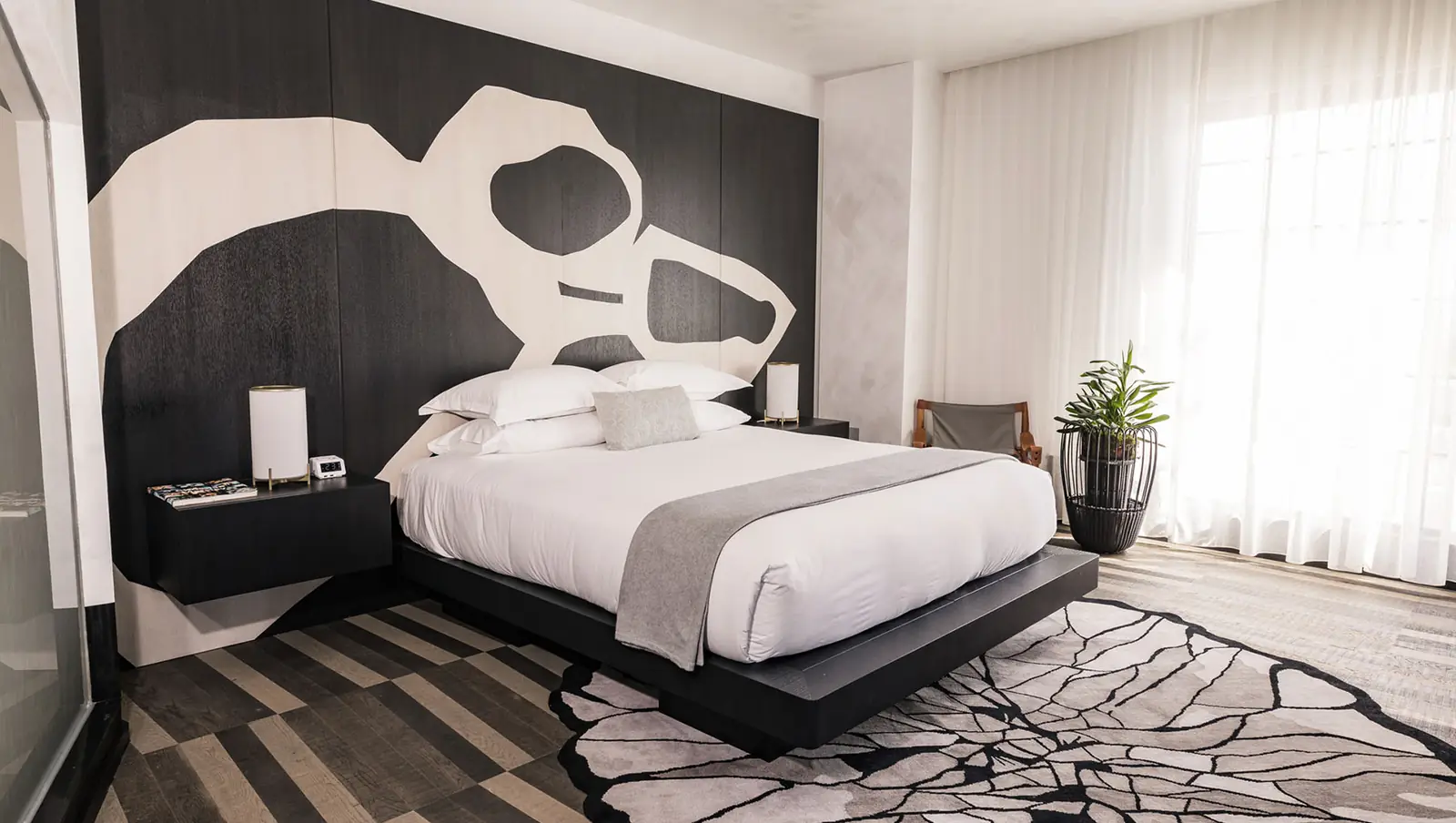
Best Private Penthouse Suites in the US: Expert Guide
The architecture of ultra-luxury hospitality in North America has shifted decisively away from standardized multi-room blocks toward hyper-exclusive, top-floor domains. Within key financial and cultural capitals such as New York, Los Angeles, Chicago, and Miami, the evaluation of the best private penthouse suites in the us requires an understanding of rare spatial engineering, bespoke interior curation, and high-altitude security integration. These flagships represent a distinct pinnacle of modern real estate design and hospitality, offering expansive private terraces, custom art installations, and dedicated vertical access cores that separate occupants entirely from standard hotel foot traffic.
Operating at the apex of the domestic lodging market involves complex financial, structural, and legal parameters. Unlike conventional suites that occupy standard floor plates, elite top-floor residences are subject to intense structural wind loads, specialized mechanical zoning, and strict municipal building codes. When high-net-worth travelers, family offices, or corporate syndicates seek out these crown jewels, they navigate a specialized ecosystem where published tariffs often obscure deeper operational logistics, security clearances, and service-level agreements.
Analyzing this asset class demands a thorough examination of structural typologies, guest privacy protocols, and long-term asset management. From evaluating the acoustical insulation of glass curtain walls to negotiating bespoke private elevator programming, successful occupation requires cross-disciplinary scrutiny. Understanding these structural realities provides a clear window into how top-tier properties maintain their prestige and why the best private penthouse suites in the us remain unmatched in scale, design, and execution.
Understanding “best private penthouse suites in the us”

The phrase best private penthouse suites in the us is frequently co-opted by travel publications to describe any top-floor hotel room boasting a king bed and a city view. In professional hospitality asset management, architectural appraisal, and high-end concierge logistics, however, evaluating the best private penthouse suites in the us demands a rigorous examination of scale, structural integrity, and dedicated infrastructure. A common oversimplification treats any expensive hotel suite as a true penthouse, ignoring how authentic top-floor flagships require multi-level footprints, private outdoor terraces exceeding a thousand square feet, and entirely independent vertical circulation systems.
Evaluating these premier spaces requires understanding the systemic tension between public hospitality operations and ultra-private residential seclusion. For instance, a premier Midtown Manhattan penthouse may offer ten thousand square feet of interior space and a private ballroom, but it simultaneously presents severe logistical challenges regarding service staff staging, acoustic privacy, and freight elevator scheduling. Analysts who ignore these physical and operational constraints often mistake surface-level square footage for true asset functionality. Mastering the complexities of the best private penthouse suites in the us involves examining how architects, hospitality directors, and structural engineers collaborate to deliver secure, highly customized living environments at extreme elevations.
Deep Contextual Background
The evolution of ultra-luxury top-floor accommodations in the United States mirrors the shifting tides of American urbanism, structural engineering breakthroughs, and corporate wealth concentration. Throughout the early and mid-twentieth century, luxury hotels favored grand ballrooms and classic presidential suites on mid-rise floors, where structural masonry walls and traditional steel framing dictated layout possibilities. The late twentieth century introduced the modern supertall skyscraper, driven by advances in high-strength concrete, computational wind engineering, and elevator speed capabilities, which unlocked the commercial potential of the uppermost structural floors.
As the twenty-first century progressed, the luxury market bifurcated. While mass-market hospitality brands focused on standardized room efficiency, elite flagships began commissioning world-renowned designers—such as Jacques Grange, Peter Marino, and Vivienne Westwood—to transform top-floor footprints into architectural statements. Today, identifying the best private penthouse suites in the us requires navigating this mature, highly competitive landscape where properties must offer not just comfort, but total privacy, custom art curation, and vertiginous architectural drama.
Conceptual Frameworks and Mental Models
Analyzing the efficiency, valuation, and operational dynamics of elite top-floor accommodations relies on several structured mental models:
-
The Vertical Seclusion Index: Evaluates the degree of separation between public hotel amenities and private guest entry points, including dedicated elevator hoistways and secure arrival foyers.
-
The Structural Envelope Integrity Model: Measures the thermal, acoustic, and wind-shear resistance of high-altitude glass curtain walls and cantilevered outdoor terraces.
-
The Service-to-Space Ratio: Assesses the allocation of dedicated butlers, private chefs, and security personnel relative to the square footage of the suite.
-
The Spatial Adaptability Curve: Quantifies how easily a multi-room penthouse converts from a private family sanctuary to a secure corporate entertaining venue.
Key Categories or Variations
| Penthouse Suite Category | Primary Architectural Source | Core Operational Trade-off |
| New York Grand Duplex Penthouses | Multi-level top floors of historic or modern Manhattan towers | Unmatched urban prestige and scale balanced against complex logistics and high public visibility |
| West Coast Designer Sky Villas | Expansive rooftop footprints across Los Angeles and desert resorts | Indoor-outdoor California living paired with strict municipal noise and light ordinances |
| Las Vegas High-Roller Enclaves | Massive casino-hotel tower crown levels | Extreme square footage and custom art installations tied to specialized gaming credit models |
| Historic Adaptive Reuse Penthouses | Converted industrial or commercial urban high-rises | Unique historic character and masonry charm requiring complex mechanical retrofits |
| Branded Residential Hotel Penthouses | Mixed-use supertowers managed by global luxury hospitality flags | Access to full five-star hotel infrastructure balanced against condominium governance rules |
| Coastal Resort Rooftop Pavilions | Low-rise luxury beachfront properties in Florida or Hawaii | Panoramic ocean exposure accompanied by aggressive salt-corrosion and wind-shear maintenance needs |
When applying decision logic to these variations, luxury travel curators and corporate bookers must align their selection criteria with the specific operational intent of the stay. High-profile executive retreats or diplomatic delegations require properties with secure subterranean arrivals and private elevator bypasses. Conversely, large-scale social celebrations demand expansive open-floor layouts and flexible catering facilities that can handle heavy guest circulation without violating building noise codes.
Detailed Real-World Scenarios
Managing Private Event Security and Elevator Access in Manhattan
A multi-national corporate board books a premier multi-level penthouse on Madison Avenue to host an exclusive investor reception.
-
Constraint: The building houses permanent residential owners alongside hotel guests, enforcing strict security protocols and limiting lobby congestion.
-
Failure Mode: Unvetted guest arrivals overwhelm the standard hotel elevators, causing security bottlenecks and security breaches in public hallways.
-
Decision Point: Pre-program a dedicated elevator service car with a secure key-card override and establish a private subterranean loading dock reception desk for all invited delegates.
Mitigating Acoustic and Wind-Shear Disruptions in a Chicago Skyscraper
An executive delegation leases a top-floor glass-walled penthouse suite during a severe winter storm system in Chicago.
-
Constraint: High-velocity wind shears across the upper facade create structural flexing noises and thermal fluctuations within the primary master suite.
-
Failure Mode: Excessive ambient noise and uneven heating disrupt high-stakes rest and preparation ahead of a major morning merger announcement.
-
Decision Point: Deploy portable acoustic dampening panels and engage the building engineering team to recalibrate the multi-zone HVAC pressure balancing valves.
Planning, Cost, and Resource Dynamics
Executing a booking or long-term lease within the best private penthouse suites in the us involves substantial capital outlays and complex logistical coordination. The financial model requires balancing high nightly tariffs against the operational value of absolute security, bespoke service, and unmatched entertaining capacity.
| Economic Variable | Financial Variability | Strategic Impact on Acquisition Value |
| Base Published Nightly Tariff | High Peak-Season Variance | Dictates core lodging expenditure and minimum-stay lock-ins |
| Dedicated Butler and Security Retainers | Predictable Hourly Surcharge | Ensures round-the-clock personal service and privacy enforcement |
| Specialized Catering and Chef Allocations | Variable Consumption Scale | Replaces standard room service with custom culinary production |
| Secure Transportation and Tarmac Transfers | Fixed Service Package | Guarantees discreet, secure arrival from private aviation terminals |
Tools, Strategies, and Support Systems
-
Encrypted Luxury Itinerary Management Platforms: Cloud-based software tracking guest arrival logistics, security clearances, and service schedules.
-
Direct Property Management Liaison Channels: Dedicated communication lines bypassing standard reservation desks to secure custom suite configurations.
-
Specialized Executive Protection Detail Teams: Vetted private security providers coordinating perimeter surveillance and elevator access control.
-
High-Altitude Acoustic Diagnostic Meters: Instruments measuring sound transmission class (STC) ratings to ensure optimal interior quietude.
-
Bespoke Aviation Coordination Networks: Direct links between private jet fixed-base operators (FBOs) and hotel security details for seamless tarmac-to-suite transfers.
Risk Landscape and Failure Modes
The primary hazard inherent in securing elite top-floor accommodations involves relying on generic booking platforms that fail to disclose building-specific operational restrictions. When guests book luxury penthouses without verifying elevator programming, service elevator availability, or local noise ordinances, they frequently encounter unexpected logistical friction that disrupts high-stakes itineraries.
Another compounding risk relates to privacy breaches and media intrusion. Because top-floor residences are architectural landmarks visible from surrounding structures, high-profile occupants face constant surveillance risks from paparazzi or unauthorized onlookers. Failing to implement comprehensive window tinting verifications, security sweeps, and privacy curtains can compromise sensitive corporate negotiations or personal security.
Governance, Maintenance, and Long-Term Adaptation
Maintaining the pristine condition and operational readiness of top-floor flagships requires a rigorous administrative and maintenance cadence. Hotel engineering teams and asset managers must execute daily inspections of motorized window shades, high-altitude HVAC zones, terrace waterproofing membranes, and private pool filtration systems. If diagnostic data indicates wear on exterior terrace doors or glass seals, management must immediately commission remediation before weather infiltration damages custom interior finishes.
Furthermore, property management must transition from reactive repair models to predictive lifecycle planning. This involves maintaining comprehensive capital reserve accounts dedicated to refreshing custom designer furnishings, refinishing rare hardwood floors, and upgrading integrated smart-home automation systems. Proactive governance safeguards the market standing of the asset and protects long-term operational profitability.
Measurement, Tracking, and Evaluation
-
Occupancy and Utilization Yield: Measures the percentage of available nights booked across peak, shoulder, and trough seasons.
-
Guest Satisfaction and Service Index: Tracks qualitative feedback regarding butler responsiveness, privacy maintenance, and culinary execution.
-
Envelope Thermal and Acoustic Efficiency: Evaluates interior climate stability and noise reduction performance against external weather extremes.
-
Incident-Free Security Ratio: Quantifies the total absence of unauthorized access attempts, privacy breaches, or safety protocol failures during high-profile stays.
Common Misconceptions and Oversimplifications
-
Myth: Booking the most expensive penthouse suite automatically includes 24-hour private aviation transfers and unrestricted personal security. Reality: Elite base tariffs cover lodging and standard butler service; private jets, security details, and bespoke culinary programs require separate billing.
-
Myth: Penthouses in modern high-rises are completely immune to street noise and urban environmental vibrations. Reality: High-altitude wind shears and structural resonance can transmit sound through glass facades if specialized acoustic engineering is neglected.
-
Myth: Online travel agencies have direct real-time access to the inventory and exact floor plans of premier penthouse suites. Reality: Top-tier suites are frequently managed off-market or through direct general manager channels to protect high-profile guest confidentiality.
-
Myth: Outdoor penthouse terraces can host large, unrestricted cocktail parties at any hour of the night. Reality: Strict municipal noise ordinances and residential association bylaws govern outdoor sound limits and event curfews.
-
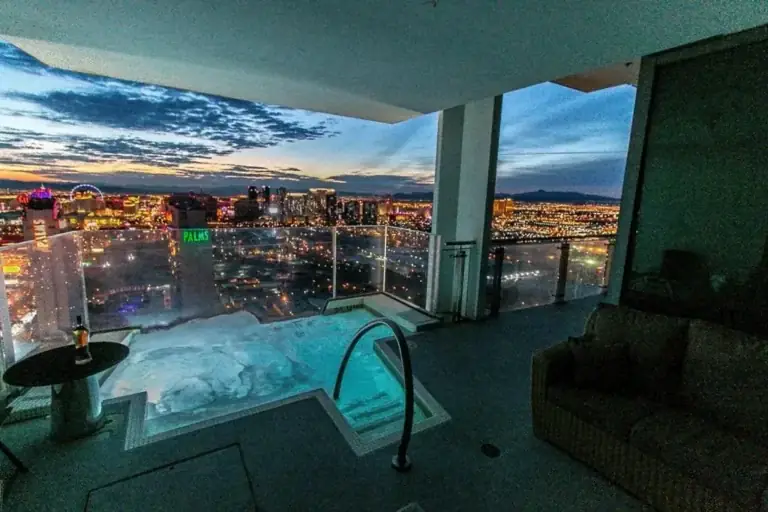
Myth: All luxury penthouses feature private, in-suite swimming pools or plunge tubs. Reality: Structural weight limits restrict private pools to select cantilevered engineering designs or specialized resort flagships.
-
Myth: Standard hotel cancellation policies apply equally to multi-thousand-dollar nightly penthouse bookings. Reality: Elite suites enforce rigorous, non-refundable deposit schedules and extended cancellation notice periods due to their limited inventory.
Ethical, Practical, or Contextual Considerations
The practical management and booking of elite high-altitude accommodations also intersects heavily with corporate governance ethics, privacy regulations, and security protocol transparency. When high-profile executives, politicians, or celebrities occupy these spaces, property operators bear a heavy fiduciary and ethical responsibility to safeguard guest privacy against unauthorized data leaks, media intrusion, or security lapses. Progressive luxury flagships maintain strict confidentiality agreements, independent security audits, and staff training programs that prioritize discretion above all else. Balancing commercial hospitality with uncompromising privacy protection ensures the enduring integrity of the ultra-luxury lodging sector.
Conclusion
Mastering the complexities involved in identifying, booking, and managing the best private penthouse suites in the us requires an uncompromising synthesis of architectural literacy, operational logistics, and rigorous security governance. True authority in this domain involves looking past promotional imagery to analyze structural envelope integrity, elevator access control, and master service contracts. By approaching elite top-floor accommodations with professional rigor and intellectual honesty, stakeholders ensure that these architectural masterpieces deliver unmatched security, operational excellence, and lasting value.