Common Penthouse Suites Booking Mistakes: Expert Guide
Securing top-floor accommodations within luxury hotels, high-end resort flagships, and exclusive residential developments represents a complex transaction that extends far beyond standard room reservations. When corporate executives, high-net-worth individuals, or luxury travel curators attempt to reserve premier accommodations without deep knowledge of high-rise operational policies, multi-tiered fee structures, and strict occupancy bylaws, they frequently encounter costly pitfalls. These missteps can transform an exclusive getaway into an operational and financial liability.
The necessity for rigorous due diligence stems from the unique structural and legal frameworks governing elite vertical architecture. Unlike standard hotel rooms that feature uniform pricing and straightforward cancellation policies, penthouse suites are governed by complex master association covenants, proprietary hospitality management contracts, and strict minimum-stay mandates. When guests overlook these secondary variables during the reservation process, minor oversights compound into severe financial penalties and compromised service delivery.
Navigating this specialized procurement landscape requires an analytical look at contract terms, vertical transit logistics, and hospitality compliance. From identifying unstated resort fees hidden within multi-page terms of service to understanding the exact limitations placed on private entertaining and visitor access, successful booking requires cross-disciplinary oversight. Understanding these structural realities provides a clear window into how seasoned travel planners avoid common penthouse suites booking mistakes while ensuring flawless execution and uncompromised value.
Understanding “common penthouse suites booking mistakes”
The phrase common penthouse suites booking mistakes is frequently trivialized across lifestyle blogs as a simple warning against picking the wrong room view or forgetting to pack formal wear. In professional hospitality procurement, luxury travel management, and high-end asset leasing, however, figuring out common penthouse suites booking mistakes demands a forensic examination of master lease agreements, cancellation penalty riders, and unstated facility restrictions. A common oversimplification treats luxury reservations as interchangeable with standard hospitality bookings, ignoring how architectural layout variations and strict building occupancy limits dictate the success of a stay.
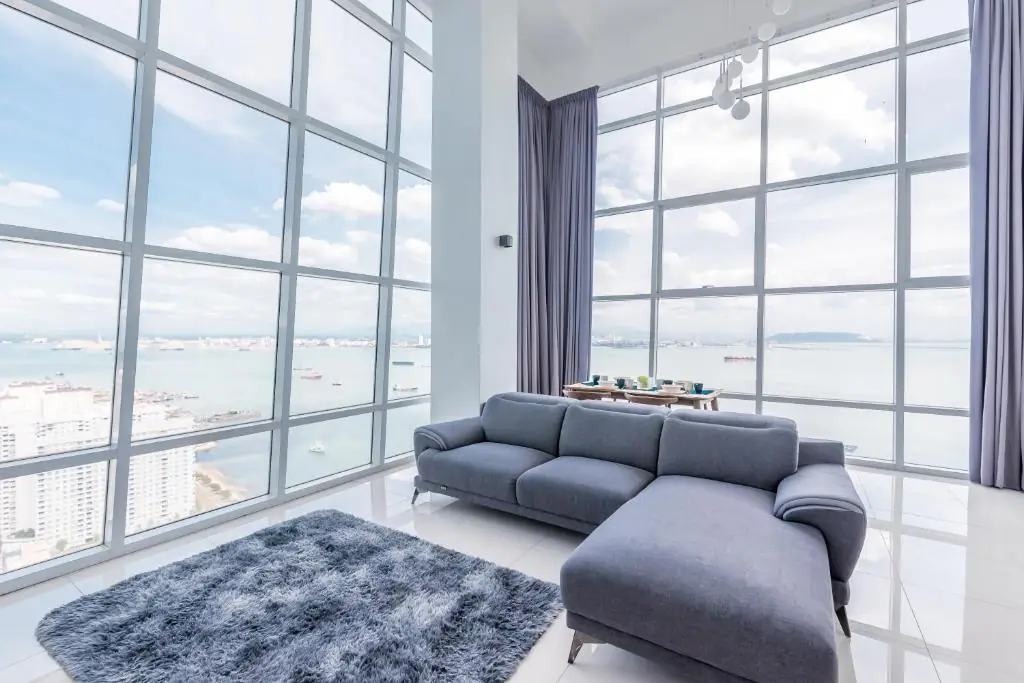
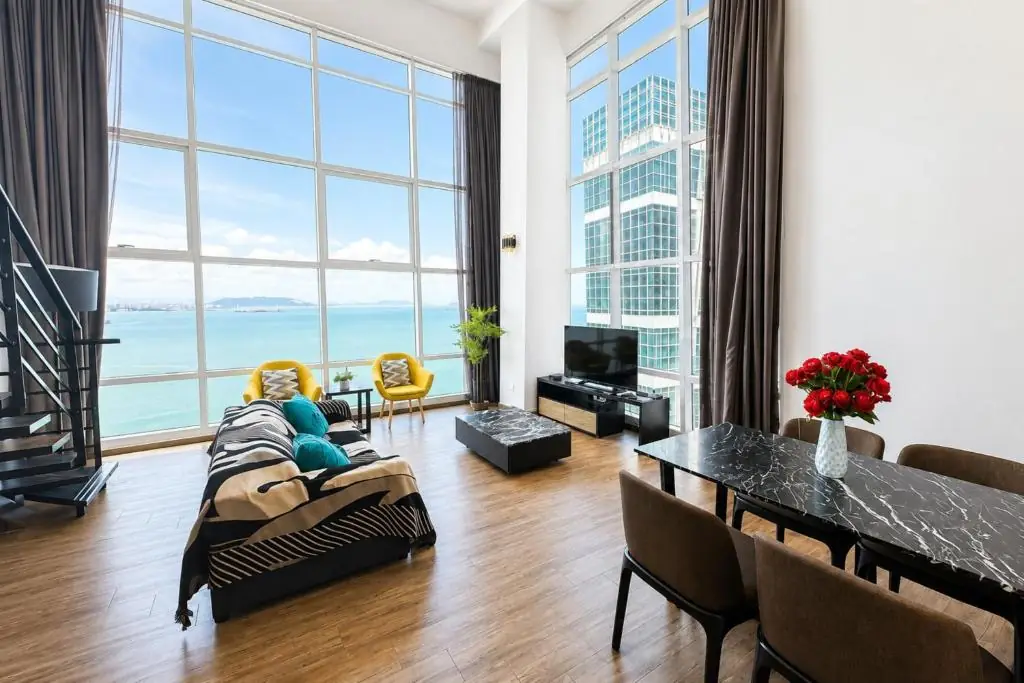
Evaluating these reservation pitfalls requires understanding the systemic friction between glossy promotional imagery and binding legal contracts. For instance, an online booking platform might showcase a sprawling penthouse terrace while omitting the strict building bylaws that prohibit outdoor gatherings after 10:00 PM or mandate expensive security deposits. Analysts who ignore these legal frameworks often mistake surface-level price transparency for true booking security. Mastering common penthouse suites booking mistakes involves examining how legal counsel, luxury travel coordinators, and property managers collaborate to uncover buried restrictions before executing a reservation contract.
Deep Contextual Background
The evolution of high-end penthouse reservations mirrors the rapid transformation of the luxury hospitality industry and the rise of branded residential flagships. Throughout the mid-twentieth century, premier top-floor accommodations were managed through straightforward hotel front-desk operations, where reservations were negotiated directly with general managers under flexible terms. As global wealth expanded and urban real estate transformed into mixed-use supertowers combining hotel services with private condominiums, booking protocols grew exponentially more complex.
The late twentieth and early twenty-first centuries introduced digital distribution channels, third-party luxury brokers, and dynamic pricing models that altered the traditional reservation paradigm. Today, mastering common penthouse suites booking mistakes requires navigating this mature, highly litigious landscape, where travelers and corporate leaseholders must possess a sophisticated grasp of master service agreements, cancellation clawbacks, and long-term booking lead times.
Conceptual Frameworks and Mental Models
Analyzing the opaque reservation structures associated with elevated residential and hospitality assets relies on several structured mental models:
-
The Master Contract Liability Matrix: Evaluates the hierarchy of booking agreements—from platform terms to hidden building bylaws—to identify conflicting financial and operational obligations.
-
The Occupancy-to-Capacity Ratio Index: Measures the relationship between registered guest counts, visitor limits, and building fire safety regulations for top-floor units.
-
The Cancellation Penalty Amortization Model: Assesses how strict, non-refundable deposit schedules impact high-value bookings during sudden itinerary shifts.
-
The Architectural Layout Verification Gradient: Quantifies the discrepancy between promotional floor plans and actual functional usability for private events or multi-family stays.
Key Categories or Variations
| Booking Error Category | Primary Operational Source | Core Financial and Logistical Impact |
| Ignoring Visitor and Event Restrictions | Strict residential association bylaws prohibiting unregistered guests | Results in immediate security intervention or eviction |
| Overlooking Hidden Resort and Service Fees | Opaque online booking platforms omitting mandatory daily tariffs | Inflates total stay expenditure beyond initial budget projections |
| Failing to Verify Vertical Transit Access | Assuming private elevator access without confirming dedicated hoistway programming | Causes unexpected wait times and staging bottlenecks |
| Misunderstanding Cancellation Liability | Overlooking non-refundable deposit clauses tied to peak seasonal dates | Forfeits substantial financial retainers upon itinerary changes |
| Neglecting Architectural Layout Limits | Booking split-level spaces without assessing mobility or child safety hazards | Compromises comfort and creates functional friction for guests |
| Overlooking Catering and Kitchen Restrictions | Assuming full commercial kitchen capability without checking appliance limits | Limits private dining and chef preparation options during the stay |
When applying decision logic to these variations, luxury travel planners and corporate coordinators must align their booking protocols with the specific governance model of the property. Hotel-managed penthouses require rigorous auditing of service contracts to prevent runaway room service and valet tariffs. Conversely, residential condominiums rented as transient accommodations demand forensic review of association rules to avoid severe fines for unauthorized entertaining or noise violations.
Detailed Real-World Scenarios
Uncovering Unstated Event Bans in a Miami Beach Penthouse
A corporate event planner secures a prominent multi-level penthouse in Miami Beach to host an intimate executive reception for twelve industry partners.
-
Constraint: The online booking platform promotes the expansive terrace and open-plan living area as ideal for entertaining, while the fine-print building bylaws strictly prohibit outside visitors and gatherings exceeding registered overnight occupants.
-
Failure Mode: Building security halts guest entry at the lobby desk, shutting down the reception and forcing an emergency relocation of the corporate event.
-
Decision Point: Mandate a direct legal review of building association rules prior to booking any top-floor asset intended for hosting or professional gatherings.
Managing Non-Refundable Cancellation Penalties During an Itinerary Shift
A family office travel curator books a luxury penthouse in London six months in advance for an extended summer holiday.
-
Constraint: The reservation requires a non-refundable fifty percent deposit under strict seasonal booking terms, failing to account for potential health or schedule changes.
-
Failure Mode: An unforeseen executive restructuring forces a rescheduling of the holiday, triggering the immediate forfeiture of a five-figure deposit.
-
Decision Point: Insert customized cancellation rider amendments or purchase comprehensive travel insurance policies specifically indemnifying high-value non-refundable deposits.
Planning, Cost, and Resource Dynamics
Executing comprehensive reservation due diligence to protect high-end travel investments involves strategic upfront expenditures on legal and advisory services. The financial model requires balancing the cost of specialized booking consultation against the massive risk of absorbing unstated multi-thousand-dollar penalties or non-refundable forfeitures.
| Economic Variable | Financial Variability | Strategic Impact on Booking Risk |
| Legal Audit of Booking Terms and Conditions | Fixed Professional Fee | Uncovers hidden liability clauses and restrictive use covenants |
| Specialized Luxury Travel Broker Retainer | Commission or Flat Fee | Ensures access to vetted properties with transparent fee structures |
| Comprehensive Deposit Insurance Policies | Percentage of Total Stay | Protects against sudden cancellation forfeitures and itinerary shifts |
| Independent Concierge Verification Services | Hourly Service Cost | Confirms actual room amenities and operational readiness prior to arrival |
Tools, Strategies, and Support Systems
-
Encrypted Luxury Itinerary Management Platforms: Cloud-based software tracking booking confirmations, payment milestones, and contract riders.
-
Specialized Hospitality Legal Counsel: Attorneys possessing deep expertise in high-end lease negotiations and transient occupancy agreements.
-
Direct Property Management Verification Portals: Direct communication channels bypassing third-party OTAs to confirm exact room configurations and services.
-
Comprehensive Travel Insurance Underwriters: Specialized insurance providers offering bespoke policies for high-value luxury reservations.
-
Historic Property Review Archives: Digital databases tracking guest feedback, operational complaints, and maintenance histories for specific penthouse units.
Risk Landscape and Failure Modes
The primary hazard inherent in luxury penthouse reservations involves relying solely on third-party online travel agencies (OTAs) that misrepresent property features and omit critical building rules. When travelers book elite accommodations through automated platforms without verifying terms directly with property management, they frequently encounter discrepancies between promotional descriptions and operational reality. This oversight can quickly ruin a high-stakes vacation or executive retreat.
Another compounding risk relates to seasonal demand surges and strict forfeiture policies. During peak holiday windows, luxury properties enforce draconian cancellation penalties to protect their revenue streams. Unprepared bookers discover too late that modifying dates or reducing length of stay triggers catastrophic financial penalties that exceed the value of the actual stay.
Governance, Maintenance, and Long-Term Adaptation
Maintaining risk-free reservation protocols across corporate travel portfolios requires a disciplined administrative and auditing cadence. Travel directors must institute rigorous post-trip debriefs evaluating vendor performance, fee transparency, and property accuracy. If audit data reveals consistent discrepancies between promotional listings and actual property conditions, management must immediately blacklist those booking channels or properties.
Furthermore, procurement teams must transition from passive reservation booking to active vendor relationship management. This involves establishing direct service level agreements with luxury hotel flagships and private estate managers to guarantee transparent pricing and flexible modification terms. Proactive governance safeguards organizational capital and ensures consistent travel quality.
Measurement, Tracking, and Evaluation
-
Booking Variance Ratio: Measures the percentage difference between initial quoted reservation costs and final invoiced expenditure.
-
Cancellation Penalty Exposure Index: Tracks the total financial value of non-refundable deposits at risk across active travel portfolios.
-
Property Accuracy Score: Evaluates the alignment between promotional listing descriptions and actual guest experience upon arrival.
-
Compliance Incident Frequency: Quantifies the number of building rule infractions or security interventions recorded during top-floor stays.
Common Misconceptions and Oversimplifications
-
Myth: Booking through major online travel agencies guarantees the lowest price and best cancellation terms for luxury penthouses. Reality: OTAs often conceal mandatory resort fees and enforce rigid, non-refundable policies that direct property contracts can negotiate.
-
Myth: Penthouses in residential buildings operate under the same flexible guest rules as standard commercial hotels. Reality: Residential condo associations enforce strict rules against transient visitors, short-term rentals, and private events.
-
Myth: Promotional photographs accurately reflect the current physical layout and amenity condition of a penthouse suite. Reality: Photography is often outdated or staged, concealing maintenance issues, blocked views, or awkward floor plan divisions.
-
Myth: All luxury penthouse bookings include complimentary 24-hour butler service and private airport transfers. Reality: Premium services typically require separate, expensive retainers unless explicitly bundled into a branded hotel contract.
-
Myth: Travel insurance automatically covers all non-refundable cancellation penalties for luxury bookings. Reality: Standard insurance policies feature strict payout caps and exclusions that fail to cover multi-thousand-dollar penthouse deposits.
-
Myth: High-altitude penthouses are immune to street noise and external environmental disturbances. Reality: Inefficient window seals and wind shear across high-rise glass curtain walls can create significant interior noise issues if not inspected.
Ethical, Practical, or Contextual Considerations
The practical execution of luxury travel booking also intersects heavily with transparent advertising ethics, consumer protection laws, and fiduciary responsibility. When third-party brokers or property managers intentionally obscure mandatory fees, strict cancellation penalties, or ongoing structural renovations in the building, market integrity suffers. Progressive industry professionals advocate for absolute price transparency, standardized disclosure formats, and rigorous traveler education. Ensuring complete clarity protects consumers and fosters long-term trust in luxury hospitality markets.
Conclusion
Mastering the complexities involved in learning about common penthouse suites booking mistakes requires an uncompromising synthesis of legal literacy, financial analysis, and rigorous pre-booking auditing. True authority in this domain involves looking past attractive promotional imagery to analyze master contracts, cancellation riders, and building association bylaws. By approaching luxury travel reservation with professional rigor and intellectual honesty, stakeholders ensure that high-altitude stays deliver lasting value, operational predictability, and uncompromised satisfaction.